# Diabetic-Friendly Meal Plan: 7 Days of Low-Glycemic Meals
Managing diabetes through diet doesn't mean sacrificing flavor or variety. A well-planned approach to low-glycemic eating can help stabilize blood sugar levels while delivering satisfying, nutritious meals throughout the week. The key lies in understanding which foods have minimal impact on blood glucose and combining them in ways that keep you energized and satisfied.
Low-glycemic foods release glucose slowly into the bloodstream, preventing the sharp spikes that can complicate diabetes management. These include most non-starchy vegetables, lean proteins, healthy fats, and certain whole grains. By building meals around these ingredients, you create a foundation for steady blood sugar control without feeling restricted or deprived.
Understanding Low-Glycemic Meal Planning
Effective diabetic meal planning goes beyond simply avoiding sugar. The glycemic index ranks foods based on how quickly they raise blood glucose levels, with lower numbers indicating a gentler impact. Foods with a glycemic index below 55 are considered low-glycemic, while those between 56-69 are moderate, and anything above 70 is high-glycemic.
Non-starchy vegetables like leafy greens, broccoli, cauliflower, and bell peppers form the backbone of low-glycemic eating. These foods are naturally low in carbohydrates and high in fiber, which helps slow glucose absorption. Lean proteins such as chicken breast, fish, tofu, and eggs have virtually no impact on blood sugar while providing essential amino acids for muscle maintenance and satiety.
Healthy fats from sources like avocados, nuts, seeds, and olive oil not only have zero glycemic impact but also help slow the absorption of carbohydrates when eaten together. This combination effect is crucial for creating balanced meals that support stable blood sugar levels throughout the day.
Your 7-Day Low-Glycemic Menu
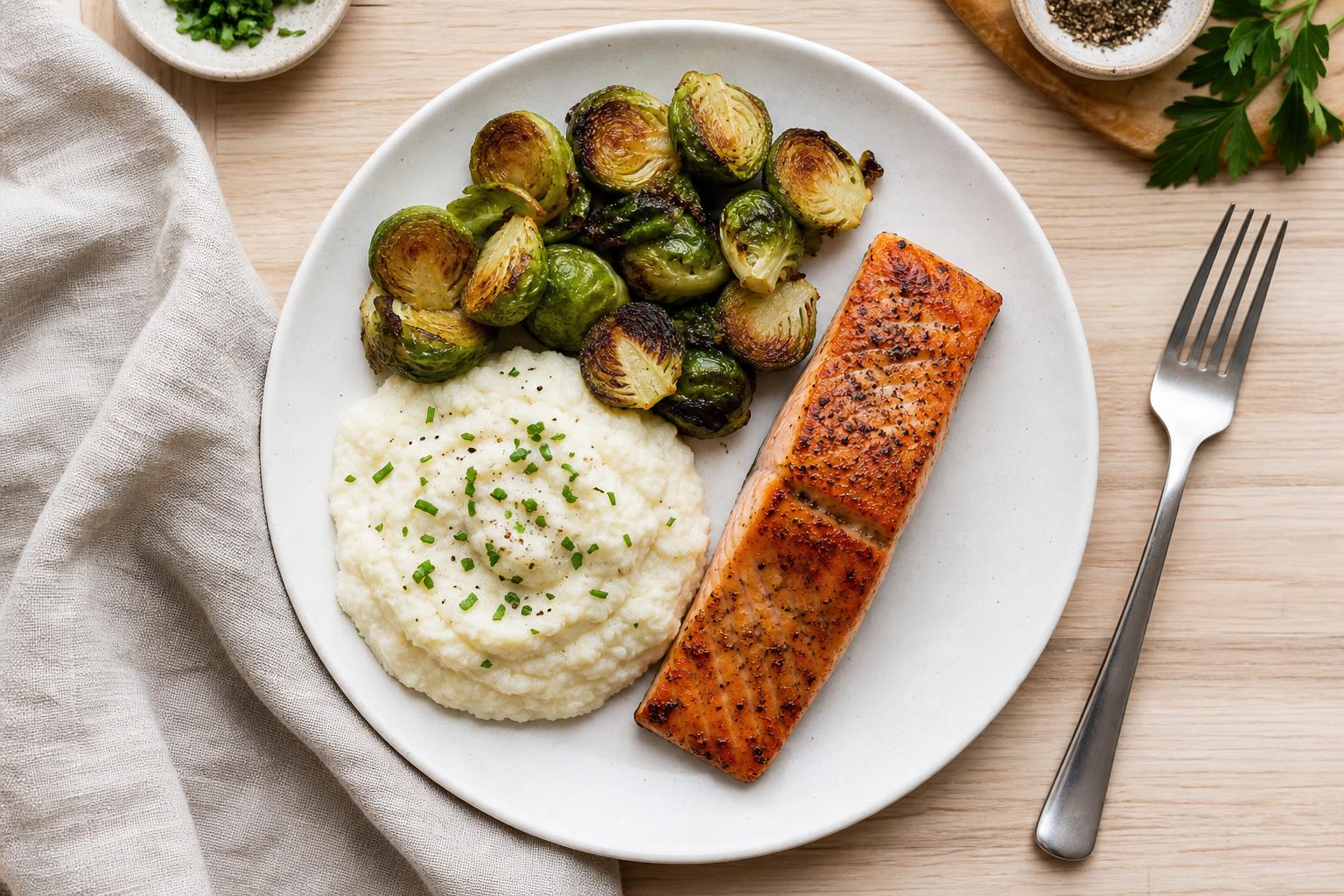
Day 1 starts with scrambled eggs cooked in olive oil with sautéed spinach and cherry tomatoes, accompanied by half an avocado. Lunch features a large salad with mixed greens, grilled chicken, cucumber, bell peppers, and a vinaigrette made from olive oil and lemon juice. Dinner brings baked salmon with roasted Brussels sprouts and cauliflower mash. For snacking, try a small handful of almonds with cucumber slices.
Day 2 begins with Greek yogurt topped with chopped walnuts and a sprinkle of cinnamon. Lunch offers a turkey and vegetable soup with plenty of celery, carrots, and green beans, served alongside a small mixed green salad. Dinner features grilled chicken thighs with roasted asparagus and sautéed zucchini noodles tossed with garlic and herbs. Mid-afternoon, enjoy celery sticks with a tablespoon of natural almond butter.
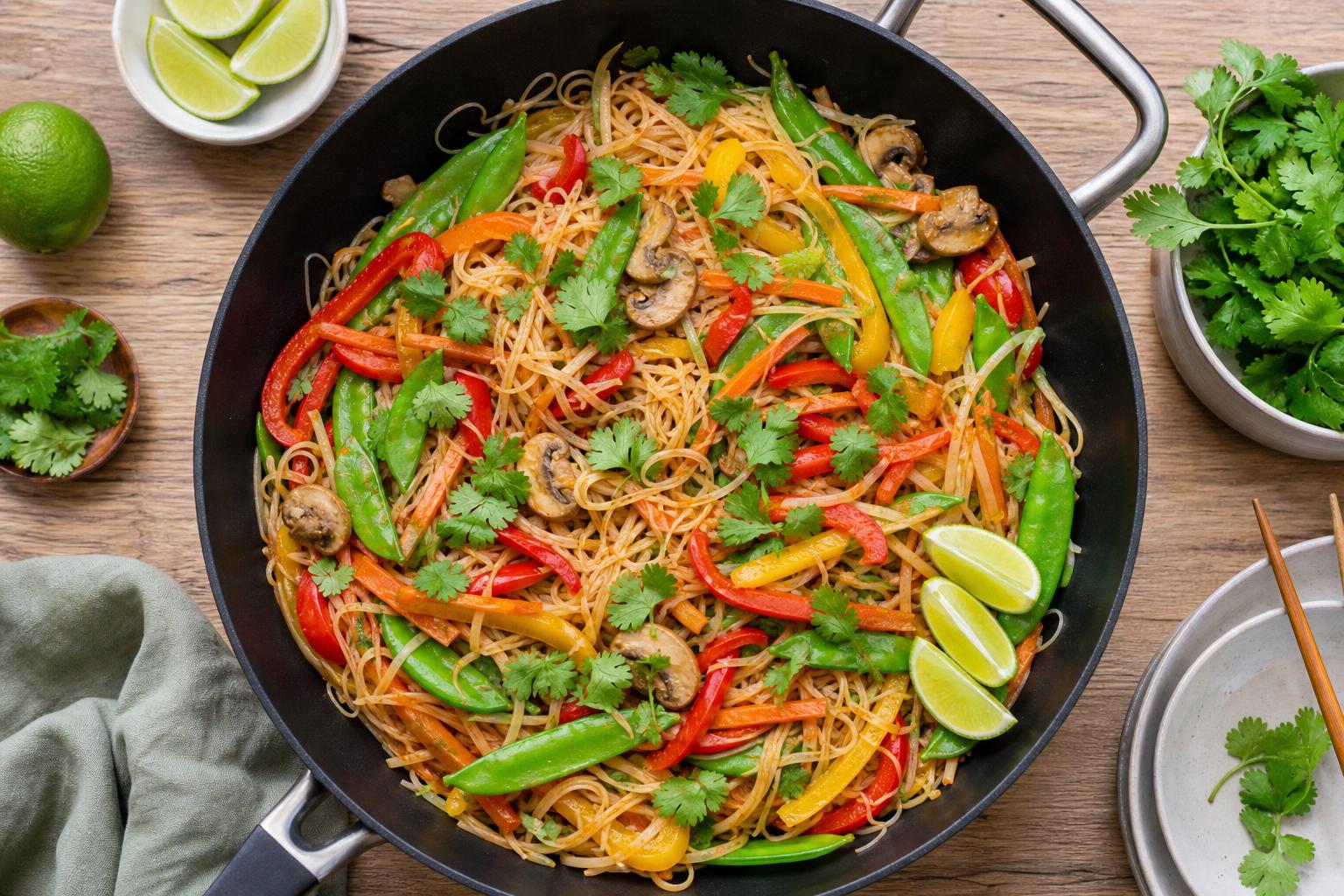
Day 3 opens with a vegetable omelet filled with mushrooms, bell peppers, and a small amount of cheese. Lunch combines grilled fish with steamed broccoli and a side of sautéed kale with garlic. Dinner presents lean beef stir-fry with snow peas, carrots, and bok choy over shirataki noodles or cauliflower rice. For your snack, try a small portion of mixed nuts with a few cherry tomatoes.
Day 4 features cottage cheese with diced cucumber and fresh herbs for breakfast. Lunch brings a hearty chicken and vegetable soup with added beans for fiber and protein. Dinner offers baked cod with roasted eggplant and a side of steamed green beans with lemon. Snack on a hard-boiled egg with a few slices of bell pepper.
Day 5 starts with a smoothie made from unsweetened almond milk, spinach, protein powder, and a small amount of berries. Lunch features a large salad with grilled shrimp, avocado, and plenty of colorful vegetables. Dinner brings herb-crusted pork tenderloin with roasted cabbage and sautéed mushrooms. For snacking, try a small serving of olives with cucumber rounds.
Day 6 begins with scrambled tofu seasoned with turmeric and nutritional yeast, served with sautéed spinach. Lunch offers grilled chicken salad with mixed greens, radishes, and a tahini-based dressing. Dinner features baked chicken breast with roasted turnips and steamed broccoli. Mid-day, enjoy a small handful of pumpkin seeds with cherry tomatoes.
Day 7 concludes the week with an egg-based breakfast bowl featuring sautéed vegetables and fresh herbs. Lunch brings a warming vegetable soup with added protein from white beans or lentils in moderation. Dinner offers grilled fish with roasted cauliflower and a large portion of sautéed leafy greens. For your final snack, try a few slices of avocado with a sprinkle of everything seasoning.
Making Low-Glycemic Eating Sustainable
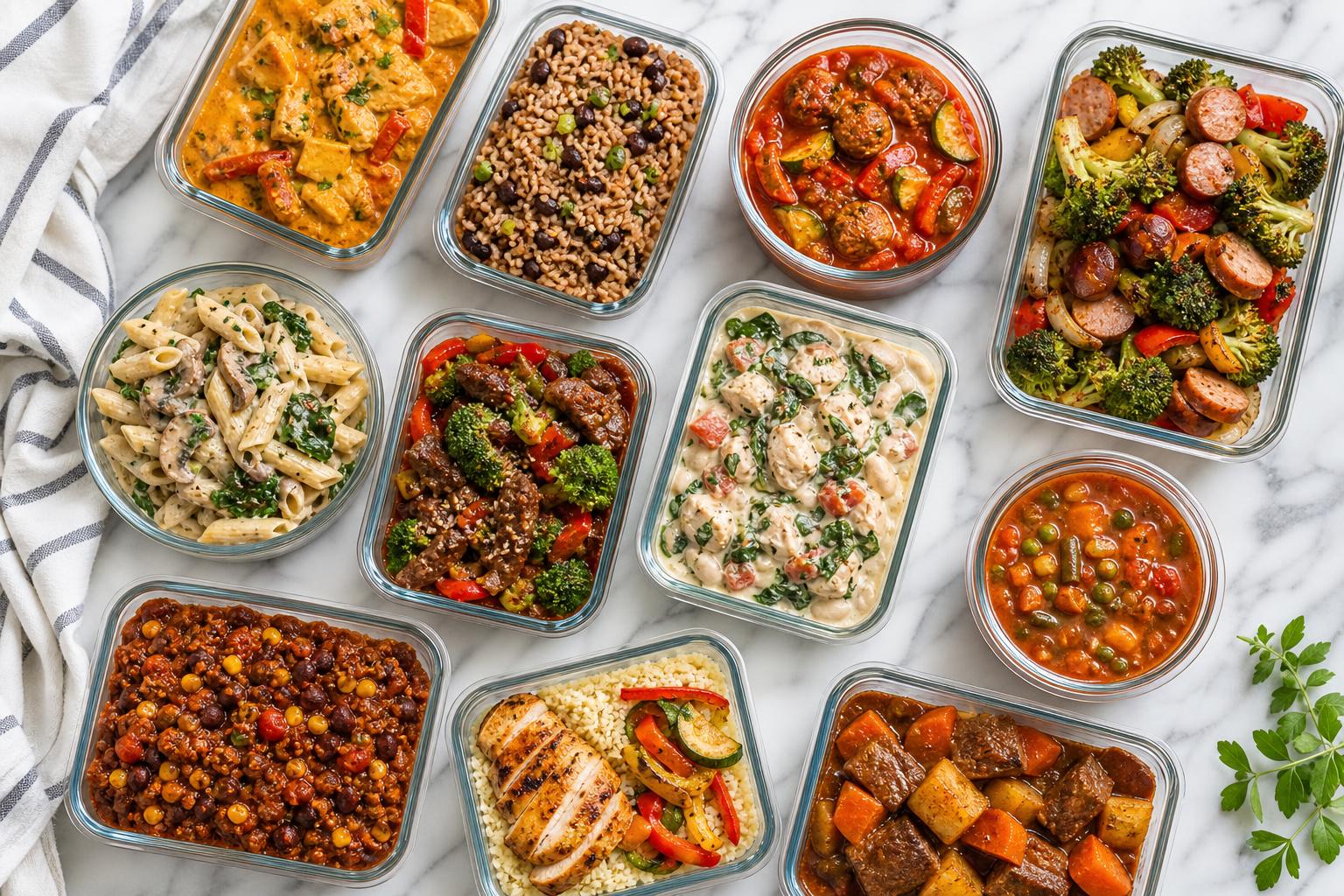
Success with diabetic meal planning comes from preparation and flexibility. Batch-cooking proteins like grilled chicken or baked fish at the beginning of the week provides ready-to-use components for quick meal assembly. Similarly, washing and chopping vegetables in advance removes barriers to healthy eating when time is limited.
Portion awareness plays a crucial role in blood sugar management, even with low-glycemic foods. While vegetables can generally be enjoyed freely, proteins and fats should be consumed in appropriate amounts to support overall health goals. A palm-sized portion of protein and a thumb-sized portion of healthy fats typically work well for most people, though individual needs may vary.
Seasoning and cooking methods can transform simple ingredients into exciting meals. Herbs like basil, oregano, and thyme add flavor without impacting blood sugar. Cooking techniques such as roasting, grilling, and sautéing develop complex flavors that make low-glycemic eating enjoyable rather than restrictive.
Adapting the Plan to Your Preferences
This seven-day framework serves as a starting point that can be customized based on your taste preferences, cultural background, and lifestyle needs. Vegetarians can substitute plant-based proteins like tempeh, tofu, or hemp seeds for animal proteins. Those following specific cultural eating patterns can incorporate traditional spices and preparation methods while maintaining the low-glycemic foundation.
Meal timing flexibility allows you to adapt this plan to different schedules and eating preferences. Some people thrive on three larger meals, while others prefer smaller, more frequent eating occasions. The key is maintaining consistent blood sugar levels regardless of your chosen eating pattern.
If meal planning around your dietary needs, preferences, and health goals sounds appealing, that's exactly what MealAI does. The app creates personalized meal plans that consider your specific requirements, whether you're managing diabetes, following particular eating patterns, or simply wanting more variety in your weekly meals. It's free at usemealai.com.