# Intermittent Fasting Meal Plan: What to Eat and When to Eat It
You've heard about intermittent fasting (IF) and you're ready to give it a shot. Maybe your coworker lost 20 pounds doing it, or you saw some compelling research about the health benefits.
But here's where most people get stuck: what the heck do you actually eat during your eating window? And more importantly, when should you eat it?
I get it. The internet is full of conflicting advice about IF meal plans. Some people swear by eating one massive meal, others prefer smaller frequent meals during their window. Some load up on protein, others go heavy on healthy fats.
After trying different approaches myself and seeing what works for hundreds of people, I'm going to break down exactly what to eat and when during your intermittent fasting journey.
Understanding Your Intermittent Fasting Schedule
Before we talk about what goes on your plate, you need to nail down your fasting schedule. The timing of your meals matters just as much as what you're eating.
The Most Popular IF Methods
16:8 Method - Fast for 16 hours, eat during an 8-hour window. This usually means skipping breakfast and eating from noon to 8 PM (or 1 PM to 9 PM).
18:6 Method - Fast for 18 hours, eat during a 6-hour window. Maybe 2 PM to 8 PM.
20:4 Method (Warrior Diet) - Fast for 20 hours, eat during a 4-hour window. This is pretty intense and usually involves one large meal plus a small snack.
OMAD (One Meal A Day) - Exactly what it sounds like. Fast for 23 hours, eat one big meal.
Start with 16:8 if you're new to this. It's the sweet spot between being effective and actually sustainable for most people.
What to Eat During Your Eating Window
Here's the thing about intermittent fasting: it's not a free pass to eat whatever you want. Yes, you can technically lose weight eating pizza during your window, but you'll feel terrible and probably won't stick with it.
Your body has been in a fasted state for hours. What you put in first matters a lot.
Breaking Your Fast: The First Meal
Your first meal after fasting shouldn't be a shock to your system. Start with something that's easy to digest but nutrient-dense.
Good first meal options:
- Greek yogurt with berries and a handful of nuts
- Scrambled eggs with avocado and spinach
- A smoothie with protein powder, banana, and almond butter
- Bone broth with some cooked vegetables
Avoid these for your first meal:
- Anything fried or heavily processed
- Large amounts of refined carbs
- Very spicy foods
- Alcohol (save it for later in your window if you're going to drink)
Building Your IF Meal Plan
Depending on your eating window, you'll likely have 2-3 meals to work with. Here's how to structure them:
#### For 16:8 or 18:6 Schedules (2-3 Meals)
Meal 1 (Break-fast): 400-500 calories
- Focus on protein and healthy fats
- Include some fiber-rich vegetables
- Keep carbs moderate and choose complex ones
Meal 2 (Main meal): 600-800 calories
- This is your biggest meal
- Include a palm-sized portion of protein
- Fill half your plate with vegetables
- Add healthy fats and some quality carbs
Optional Snack/Small Meal 3: 200-400 calories
- If your window allows and you're still hungry
- Keep it light and nutritious
#### For 20:4 or OMAD (1-2 Meals)
Meal 1 (if doing 20:4): 400-600 calories
- Similar to the break-fast guidelines above
Main Meal: 800-1200+ calories
- This needs to cover most of your daily nutrition
- Include multiple protein sources
- Lots of vegetables (aim for variety)
- Healthy fats from avocado, nuts, olive oil
- Complex carbs for sustained energy
Sample Intermittent Fasting Meal Plans
16:8 Sample Day (Eating window: 12 PM - 8 PM)
12:00 PM - Meal 1:
- 2 scrambled eggs cooked in olive oil
- 1/2 avocado
- 1 cup spinach sautéed with garlic
- 1 slice whole grain toast
4:00 PM - Meal 2:
- 6 oz grilled chicken breast
- 2 cups mixed vegetables (broccoli, bell peppers, carrots)
- 1/2 cup quinoa
- 1 tbsp olive oil for cooking
7:30 PM - Light Meal/Snack:
- Greek yogurt with berries
- Small handful of almonds
20:4 Sample Day (Eating window: 4 PM - 8 PM)
4:00 PM - Meal 1:
- Smoothie: protein powder, banana, spinach, almond butter, almond milk
- Small side salad with olive oil dressing
6:30 PM - Main Meal:
- 8 oz salmon fillet
- Large mixed salad with various vegetables
- 1 medium sweet potato
- 1/2 cup black beans
- Avocado slices
- Olive oil and lemon dressing
Macronutrient Breakdown for IF Success
Your macro split during intermittent fasting doesn't need to be dramatically different from regular eating, but there are some tweaks that can help.
Protein: 25-35% of calories
Protein is crucial during IF because:
- It helps maintain muscle mass during fasting periods
- It keeps you fuller longer
- It has a higher thermic effect (burns more calories to digest)
Best protein sources for IF:
- Lean meats (chicken, turkey, lean beef)
- Fish and seafood
- Eggs
- Greek yogurt
- Legumes and beans
- Protein powder (for convenience)
Healthy Fats: 25-35% of calories
Fats are your friend during intermittent fasting. They provide sustained energy and help with satiety.
Focus on these fats:
- Avocados
- Nuts and seeds
- Olive oil
- Fatty fish
- Coconut oil (in moderation)
Carbohydrates: 30-45% of calories
You don't need to go low-carb with IF, but choosing the right carbs matters.
Best carb choices:
- Vegetables (unlimited, basically)
- Fruits (berries are especially good)
- Sweet potatoes
- Quinoa
- Brown rice
- Oats
Timing Your Meals for Maximum Results
When you eat during your window can impact how you feel and your results. Here's what I've learned works best:
Space Your Meals Appropriately
Don't cram all your food into the first hour of your eating window. Your body needs time to process each meal.
For 8-hour windows: Space meals 3-4 hours apart
For 6-hour windows: Space meals 2-3 hours apart
For 4-hour windows: Space meals 1-2 hours apart
Consider Your Workout Timing
If you're exercising during your fasting period, plan your first meal within 2 hours after your workout. This helps with recovery and muscle protein synthesis.
If you work out during your eating window, try to have some protein within an hour after exercising.
End Your Window Strong
Your last meal should be satisfying enough to carry you through your fast, but not so heavy that it disrupts your sleep.
Good last meal components:
- Adequate protein (20-30 grams)
- Some healthy fats for satiety
- Fiber-rich vegetables
- Moderate complex carbs
Foods to Prioritize During Your Eating Window
Since you have limited time to get all your nutrition, every bite counts. Focus on nutrient-dense foods that give you the most bang for your buck.
Nutrient Powerhouses
- Eggs: Complete protein plus choline and healthy fats
- Salmon: Omega-3s, protein, and vitamin D
- Leafy greens: Folate, iron, and fiber with minimal calories
- Berries: Antioxidants and fiber without too much sugar
- Avocados: Healthy fats, fiber, and potassium
- Greek yogurt: Protein and probiotics
- Sweet potatoes: Complex carbs, fiber, and beta-carotene
Hydration During Your Window
Don't forget about fluids during your eating window. You should be drinking water throughout your fast, but your eating window is when you can add:
- Herbal teas
- Sparkling water with lemon
- Bone broth (great for breaking fasts)
- Green tea (if caffeine doesn't affect your sleep)
Common IF Meal Planning Mistakes
Mistake #1: Eating Too Much Too Fast
Just because you have a limited window doesn't mean you should shovel food down. Eat slowly and pay attention to hunger cues.
Mistake #2: Not Getting Enough Vegetables
Vegetables should make up a large portion of your plate during every meal. They provide fiber, nutrients, and help you feel full without too many calories.
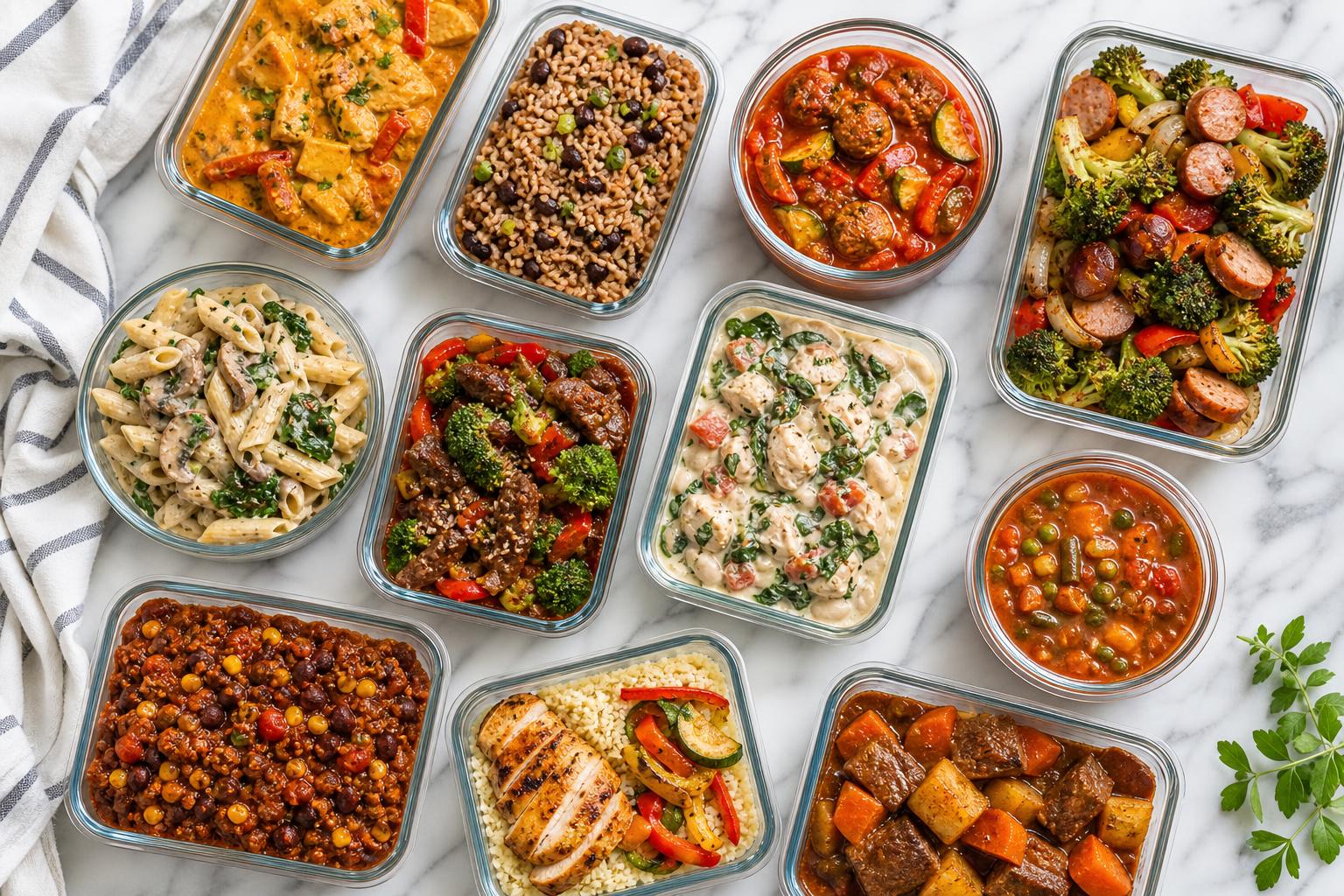
Mistake #3: Forgetting About Meal Prep
IF actually makes meal prep more important, not less. Having your meals planned and prepped prevents you from making poor choices when your eating window opens.
Mistake #4: Going Too Extreme Too Fast
Start with a moderate approach and gradually extend your fasting window if desired. Jumping straight into OMAD is a recipe for burnout.
Making IF Meal Planning Sustainable
The best intermittent fasting meal plan is one you can stick with long-term. Here are some strategies to make it work:
Keep It Simple
You don't need to cook elaborate meals. Simple, whole foods prepared well will serve you better than complicated recipes you'll abandon after a week.
Plan for Social Situations
Adjust your eating window occasionally for social events. IF should enhance your life, not restrict it.
Listen to Your Body
Some days you might need more food, others less. Some days you might need to break your fast earlier. That's normal and okay.
Use Technology to Your Advantage
Meal planning apps can be incredibly helpful for IF success. They can help you track your eating windows, plan nutritious meals that fit your schedule, and ensure you're getting balanced nutrition in your limited eating time.
If you're looking for an AI-powered solution that takes the guesswork out of IF meal planning, MealAI creates personalized meal plans that work with your intermittent fasting schedule and preferences. Try it free at usemealai.com.